BTC $80,035.88 -1.68%
ETH $2,315.92 -2.16%
BNB $740.39 -2.01%
XRP $1.29 -3.12%
SOL $99.97 -2.98%
TRX $0.3310 -0.23%
DOGE $0.0779 -3.02%
ADA $0.1994 -3.99%
BCH $279.62 -7.04%
LINK $11.47 -2.91%
HYPE $79.31 -3.48%
AAVE $130.44 -3.82%
SUI $0.9138 -3.03%
XLM $0.1685 -1.97%
ZEC $1,253.41 -4.67%
AAPL $348.24 +0.76%
AMZN $252.31 -0.67%
GOOGL $291.08 -10.71%
MSFT $547.19 +3.16%
META $620.77 -0.45%
NVDA $214.31 -2.56%
TSLA $402.83 -1.70%
SNDK $1,373.02 +0.38%
INTC $91.99 -3.98%
SPCX $144.05 -3.86%
MU $955.99 -1.30%
AMD $563.29 -1.30%

uma

All
Article
Flash

first_img Japan approves TSMC Kumamoto Factory No. 2 to produce 3-nanometer chips, expected to start production in 2028

According to the Industrial and Commercial Times, Japan's Ministry of Economy, Trade and Industry has approved TSMC's first phase plan for the production of advanced semiconductors using 3-nanometer process at its second factory in Kumamoto Prefecture. This will be the first time a manufacturer in Japan produces 3-nanometer chips. TSMC can further expand its production capacity based on additional support from the Japanese government. Kumamoto Prefectural Governor Seiji Kimura stated that this plan will drive a new wave of creative revitalization.The Nikkei reported that the Ministry of Economy has listed the Kumamoto second factory as a recipient of subsidies, with plans to produce 3-nanometer chips, expected to officially start production in December 2028, with final capacity depending on the amount of subsidies. The Ministry will include the budget needed for subsidies in the fiscal year 2027 budget request, with the Japanese government originally planning to provide 732 billion yen in subsidies. The Asahi Shimbun pointed out that the Kumamoto second factory is still under construction and is adjacent to the already operational Kumamoto first factory.Previously, TSMC planned for the second factory to manufacture 6-nanometer and 12-nanometer processes, with a monthly capacity of 48,000 wafers, and planned to produce 40-nanometer chips; in February this year, the plan was changed to 3-nanometer, reducing the monthly capacity to 6,000 wafers. The adjustment plan for the Kumamoto first factory was also approved by the Ministry, with the original plan to produce 55,000 wafers per month covering 22 to 28 nanometers and 12 to 16 nanometers, while the new plan stops production of 12 to 16 nanometers, changing to 45,000 wafers per month for 22 to 28 nanometers.
first_img Bill Gates: AI is the most dangerous invention of humanity, and the future year may see a large number of negative events in cybersecurity

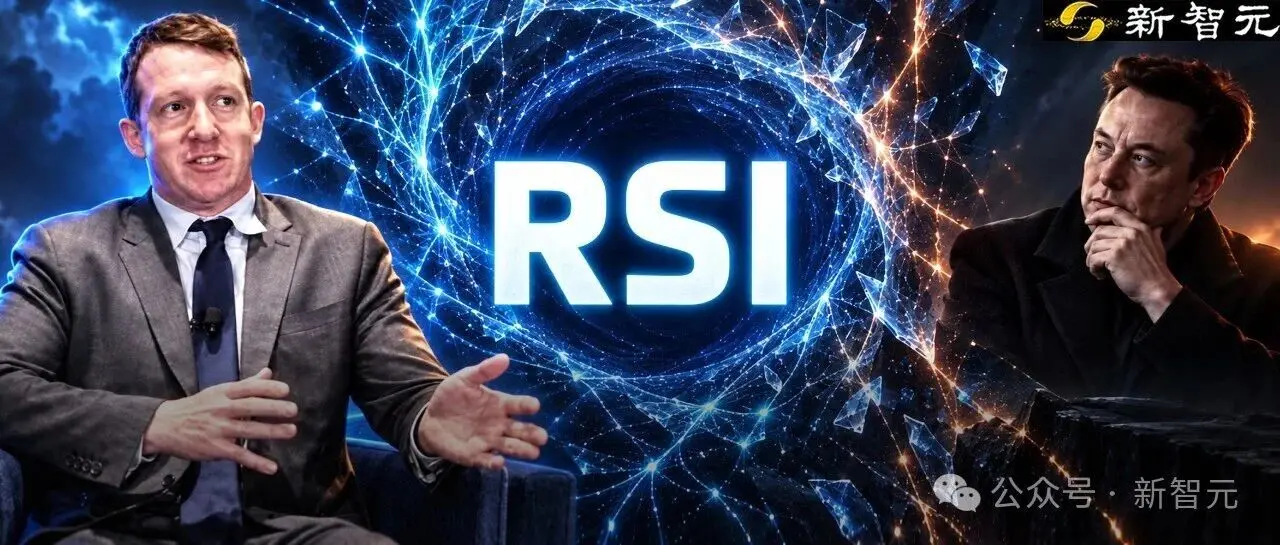
On the 11th, Microsoft co-founder Bill Gates stated in a television interview that AI is the most dangerous technology ever invented by humanity, with risks exceeding those of cars, airplanes, and pharmaceuticals. He mentioned that the real threat at present is not AI going out of control, as that scenario is still years away from becoming a reality; rather, the more immediate threat is criminals using AI to carry out extortion, manipulate the stock market, and other crimes.Gates indicated that as criminals crack and bypass the security protections of the latest AI models, there will be a significant number of negative events in the cybersecurity field over the next year. He also mentioned concerns about biosecurity, stating that AI has significant implications for fields such as healthcare, but the potential risks still outweigh those of traditional industries that are already under strict regulation. Currently, there is no effective regulatory framework established globally, and within the next year, industry governance will have to move beyond mere self-regulation, while existing resource investments are far from sufficient.According to reports cited by the Financial Associated Press, Ken McCallum, the director of the UK's MI5, stated in the annual threat assessment that AI is exacerbating the cyber offense and defense game and may change the risk landscape of biological weapons. MI5 has announced the establishment of an AI threat assessment center. Additionally, reports indicate that executives from laboratories such as OpenAI and Anthropic have recently privately simulated disaster response plans, believing that a likely scenario involves cyberattacks impacting financial services, internet connectivity, or water and electricity supply.
app_icon
ChainCatcher Building the Web3 world with innovations.