BTC $76,677.07 -0.75%
ETH $2,474.92 -1.95%
BNB $716.41 -1.42%
XRP $1.34 -1.79%
SOL $99.55 -2.17%
TRX $0.3393 -0.16%
DOGE $0.0822 -2.90%
ADA $0.2030 -1.96%
BCH $220.86 -2.15%
LINK $11.18 -2.69%
HYPE $77.45 -2.79%
AAVE $124.53 -0.60%
SUI $0.7007 -3.01%
XLM $0.1769 -1.66%
ZEC $1,064.94 -5.29%
AAPL $330.94 -0.59%
AMZN $253.65 -1.23%
GOOGL $337.39 -1.20%
MSFT $491.82 -0.75%
META $642.79 -0.88%
NVDA $215.30 -1.53%
TSLA $364.13 -0.91%
SNDK $1,571.60 -3.33%
INTC $98.81 -3.07%
SPCX $148.80 -0.92%
MU $937.76 -2.99%
AMD $498.76 -3.31%
BTC $76,677.07 -0.75%
ETH $2,474.92 -1.95%
BNB $716.41 -1.42%
XRP $1.34 -1.79%
SOL $99.55 -2.17%
TRX $0.3393 -0.16%
DOGE $0.0822 -2.90%
ADA $0.2030 -1.96%
BCH $220.86 -2.15%
LINK $11.18 -2.69%
HYPE $77.45 -2.79%
AAVE $124.53 -0.60%
SUI $0.7007 -3.01%
XLM $0.1769 -1.66%
ZEC $1,064.94 -5.29%
AAPL $330.94 -0.59%
AMZN $253.65 -1.23%
GOOGL $337.39 -1.20%
MSFT $491.82 -0.75%
META $642.79 -0.88%
NVDA $215.30 -1.53%
TSLA $364.13 -0.91%
SNDK $1,571.60 -3.33%
INTC $98.81 -3.07%
SPCX $148.80 -0.92%
MU $937.76 -2.99%
AMD $498.76 -3.31%

cards

All
Article
Flash

first_img ASUS and GIGABYTE have raised the prices of graphics cards in mainland China, with increases of up to 500 yuan

ASUS and Gigabyte, among other graphics card manufacturers, plan to raise product prices in the mainland Chinese market again in September, by up to 500 yuan (approximately 2,300 New Taiwan dollars). The price increase effect will also boost the performance of ASUS, Gigabyte, MSI, Leadtek, and Chengqi.According to reports from mainland Chinese media IT Home, ASUS will raise the net cost price of the NVIDIA RTX 5070 series by 150 to 300 yuan in September, while prices for other series models will remain unchanged. Gigabyte will increase the price of all models in the NVIDIA RTX 5060TI 16G series by 200 yuan in September, while other models will remain the same. AMD's RX 9070 XT series will increase by 200 yuan; the RX 9060 XT 16G/8G series will increase by 200 to 250 yuan; and the RX 7650 GRE series will increase by 400 yuan.The main reason for the price increase is the shortage of memory, and production capacity has also shifted towards manufacturing AI computing power GPUs. NVIDIA has again lowered the overall shipment volume of consumer GPUs by 15% to 20% for the third quarter, and the estimated supply for various brands in September is similar to that in August, with supply still tight. The high-end models such as the NVIDIA RTX 5080 and 5070 TI remain among the most out-of-stock models. This year, NVIDIA has raised graphics card prices multiple times, and September marks another increase.

first_img Central Bank: At the end of the second quarter, the number of credit cards decreased by about 10 million compared to the previous quarter

The People's Bank of China announced the overall operation of the payment system for the second quarter of 2026. By the end of the second quarter, a total of 10.267 billion bank cards had been issued nationwide. Among them, there were 677 million credit cards and credit card loans, a decrease of about 10 million cards compared to the end of the first quarter, and a decrease of nearly 20 million cards since the beginning of the year, averaging over 100,000 credit cards exiting the market each day. Compared to the historical peak of 807 million cards in the second quarter of 2022, the number of credit cards has been reduced by about 130 million.The mid-year report of listed banks in 2026 shows that the overdraft balances of credit cards from the six major state-owned banks decreased at the end of the first half compared to the end of the previous year. The Industrial and Commercial Bank of China had a credit card loan balance of 597.157 billion yuan, a decrease of 14.39% from the end of the previous year. By the end of June, the cumulative number of credit cards issued by Bank of China was about 152 million, with an increase of 1.76 million cards compared to the end of the previous year; China Merchants Bank saw a net increase of 256,300 cards to 97.7073 million cards.In terms of asset quality, the non-performing loan ratios for Agricultural Bank of China and Postal Savings Bank of China remained at 2.05% and 1.45%, respectively; the non-performing loan ratio for Industrial and Commercial Bank of China rose to 5.37%; and the non-performing loan ratio for Bank of Communications increased from 2.68% to 3.8%. The non-performing loan ratio for China Minsheng Bank rose to 4.22%, and for Industrial Bank, it rose to 3.79%. In the first half of the year, China Merchants Bank generated new non-performing loans of 23.698 billion yuan, with a non-performing loan ratio of 1.90%. In August 2026, the principal and interest of non-performing credit card transfers amounted to 12.2 billion yuan.

hot_img Xiaohongshu has created an "AI Shopping Guide" feature that directly pushes product cards and order links in conversation scenarios

According to an exclusive report from "Du Jia," Xiaohongshu is developing a brand new "AI Shopping Guide" feature, which relies on a conversational interaction model to directly push product cards and attach order jump links in Q&A scenarios. This project is led by Daoxuan (Pan Boyuan). As of the time of publication, Xiaohongshu has not responded.Previously, Xiaohongshu launched an AI summary feature in store reputation, and this AI shopping guide is a further extension of its intelligent transaction chain. According to public data, Xiaohongshu has approximately 400 million global MAU, with 39 million users engaging in explicit purchasing behavior daily, resulting in 140 million active purchase requests, over 47 million users entering merchant live streams, and more than 170,000 merchant group chats remaining active. During the 618 period, the GMV of store broadcasts increased by 265% year-on-year, and note content drove transaction growth of over 210%.Xiaohongshu currently adopts a dual transaction model of "internal marketplace closed loop plus external traffic diversion," and there is still room for improvement in the direct order conversion rate within the platform. The launch of the AI shopping guide feature is expected to further enhance its internal e-commerce GMV and revenue.

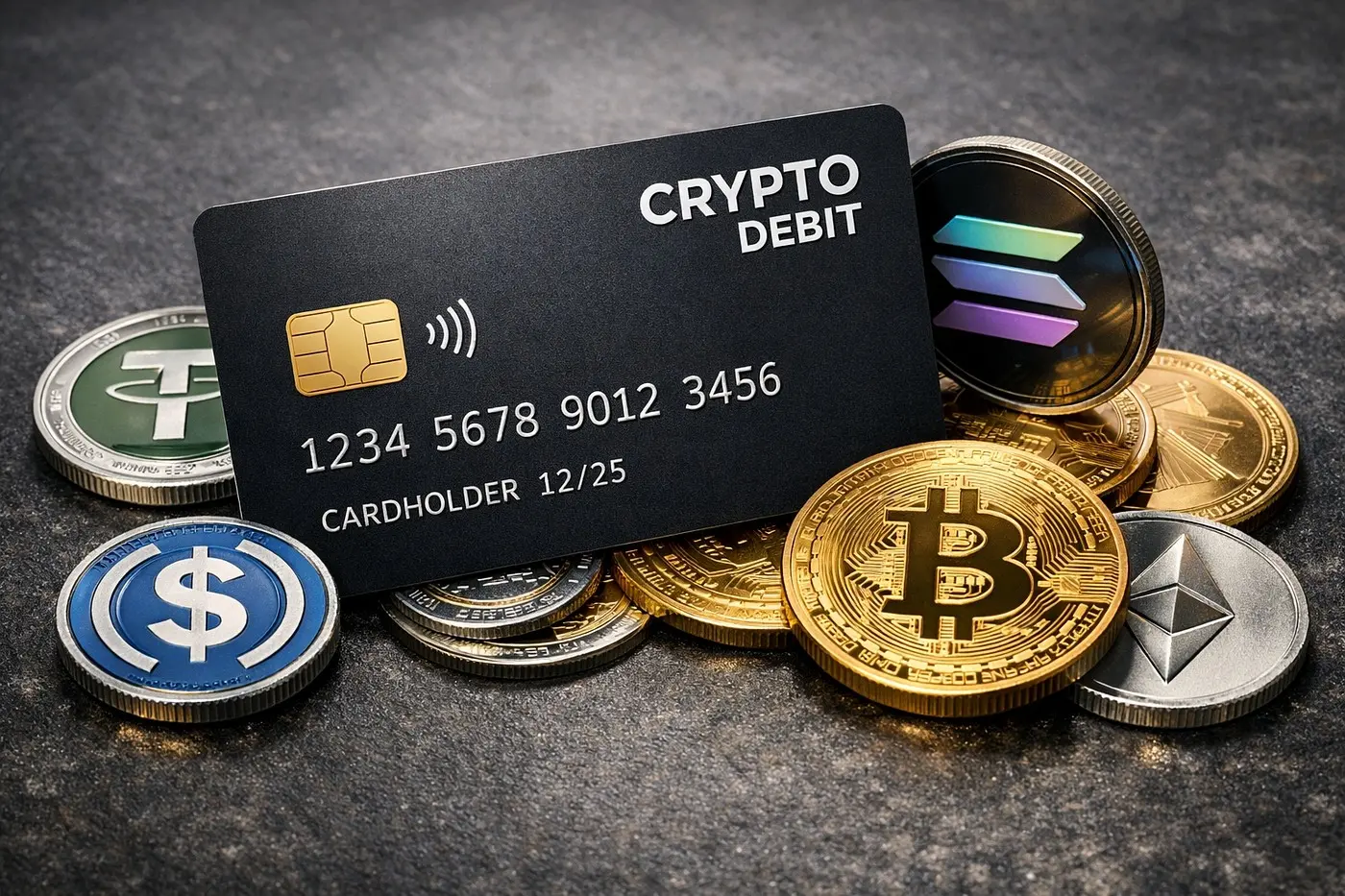
The cumulative recharge amount of encrypted payment cards has surpassed 10 billion USD for the first time, driven by the growth of stablecoin applications

Paymentscan data shows that the total recharge amount of cryptocurrency payment cards has surpassed $10 billion for the first time, reaching approximately $10.33 billion, an increase of 82% since the beginning of the year and about 250% year-on-year. This data reflects the cumulative recharge scale of cryptocurrency payment cards and related payment projects, rather than the trading volume of cryptocurrency exchanges.Reports indicate that stablecoins are becoming the main driving force behind the popularity of cryptocurrency payment cards. Compared to volatile assets like Bitcoin, stablecoins can complete payment settlements through traditional card networks, lowering the access threshold for merchants and making them more suitable for cross-border payments, remittances, and daily consumption scenarios in high-inflation areas.As payment companies, cryptocurrency exchanges, and asset management institutions continue to improve stablecoin infrastructure, cryptocurrency payment cards are gradually becoming an important gateway connecting digital assets to real-world consumption. However, as the scale of application expands, regulatory agencies will also pay more attention to issues such as consumer protection, sanctions screening, tax reporting, reserve asset transparency, and transaction monitoring.
app_icon
ChainCatcher Building the Web3 world with innovations.